Coastal Boat Coverage
Boat Insurance in West Palm Beach, FL
Get local boat insurance guidance today.
What Matters Here
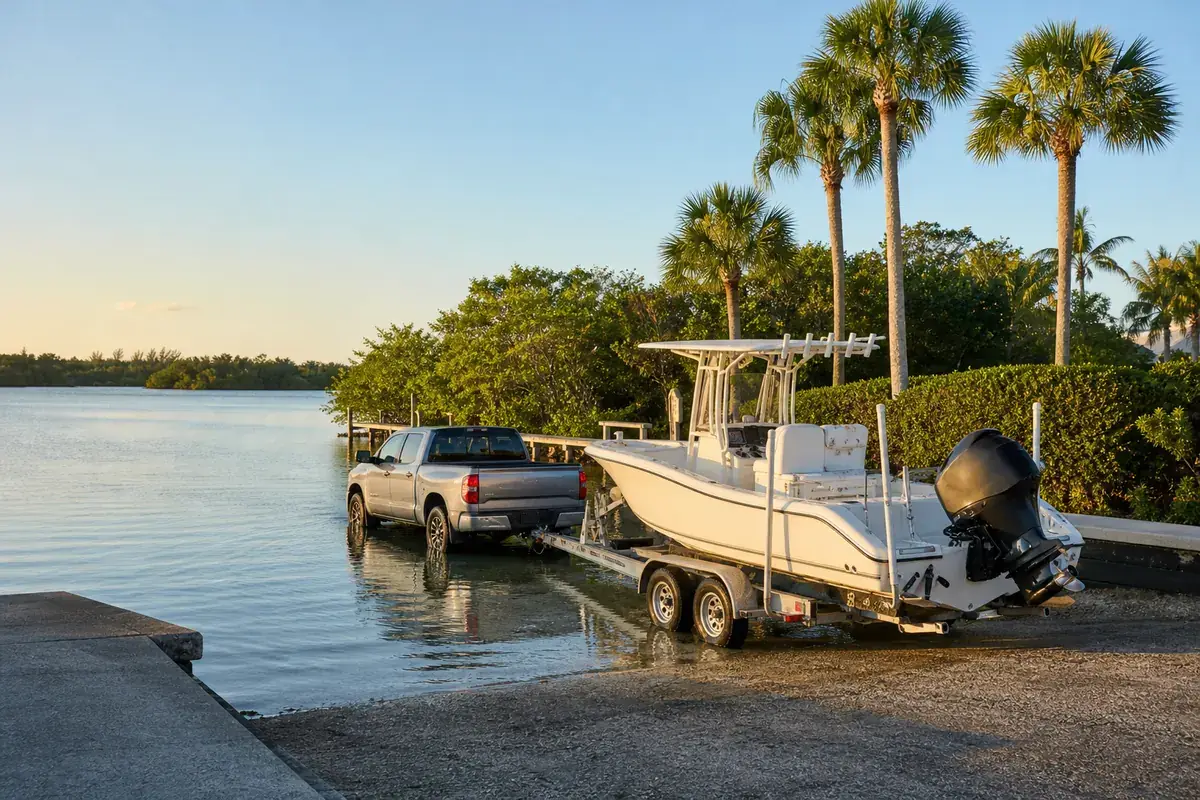
The roads to the ramps and bridges to Palm Beach can back up fast, especially near US 1, Southern Blvd and Belvedere Rd. In West Palm Beach, boat insurance questions usually start with local use. Some owners trailer to different launches. Others keep a boat at a marina near the Intracoastal. Afternoon storms, seasonal traffic and coastal storage all change what you may want on a policy. We help you sort through the main choices for center consoles, pontoons, sailboats, personal watercraft and trailers, then a licensed agent follows up to go over the details that fit how and where you use your boat.
Because this is Florida, many people ask whether boat insurance is required. The state generally does not require it for registration, but marinas and lenders often do. Even when it is optional, owners may still want liability protection, damage coverage for the boat itself, and help with towing or storm planning. We explain the common parts of a boat policy in plain language. That includes hull coverage, uninsured boater options, navigational limits, lay-up periods and trailer protection, with attention to the way boating works around West Palm Beach and the county coastline.
Boat Insurance Across Palm Beach County and Nearby
- West Palm Beach, FL
- Palm Beach, FL
- Lake Worth Beach, FL
- Palm Beach Gardens, FL
- Jupiter, FL
- Royal Palm Beach, FL
- Wellington, FL
- Greenacres, FL
- Riviera Beach, FL
- Lantana, FL
- Boynton Beach, FL
- Palm Springs, FL
- Lake Park, FL
- North Palm Beach, FL
- Juno Beach, FL
- Palm Beach Shores, FL
- Haverhill, FL
- Loxahatchee, FL
- The Acreage, FL
- Delray Beach, FL
- Atlantis, FL
Core Coverage Choices
Most West Palm Beach boat insurance decisions come down to what can cause the biggest problem first. Liability issues, damage to the boat, storm plans and trailer use usually belong near the top of the list. From there, it helps to look at where you keep the boat, who operates it and whether a marina or lender has its own requirements.
Liability coverage
Liability coverage may help if you are held responsible for injury or property damage involving your boat. Around the Intracoastal and busy access points, that question can come up after a dock incident, a wake claim or contact with another vessel. The right limit often depends on how you use the boat, how many people are usually aboard and whether a marina or lender asks for a certain amount.
Hull coverage
Hull coverage generally refers to protection for damage to your own boat. One key choice is agreed value or actual cash value. Agreed value usually pays based on a value set up front, while actual cash value often reflects depreciation at the time of a covered loss. That difference matters for newer boats, well-kept sailboats and personal watercraft that may lose value differently over time.
Storm and named-storm planning
In this area, afternoon storms are common, and storm planning should be discussed before a claim ever happens. Some policies may include named-storm conditions, haul-out reimbursement or specific steps you are expected to take when a storm is approaching. If your boat stays in the water, the storage plan matters. If you trailer it inland, the policy may treat that setup differently.
Trailer coverage
Many local owners focus on the boat and forget the trailer until there is a problem on Okeechobee Blvd, Military Trail or the Turnpike. Trailer coverage may help with damage to the trailer itself, and it is worth checking how theft, collision and roadside problems are handled. If you tow often, the launch routine and parking setup can affect what protection makes sense.
Uninsured boater and towing
Uninsured boater coverage is optional, and some owners consider it because not every operator on the water carries the same level of insurance. Towing is another item that deserves a direct look. A policy may offer towing help, but the terms can vary. That matters if you run offshore, use the Intracoastal regularly or keep a personal watercraft where quick assistance is harder to arrange.
Navigational limits and lay-up periods
A boat policy often sets navigational limits, which means the places where the boat may be used under that contract. If you expect to run beyond local waters or transport the boat elsewhere in Florida, those limits should match your actual plans. Some policies also use lay-up periods, when the boat is expected to be out of regular use. Owners should review those dates carefully.
Lender and marina requirements
If a boat is financed, the lender may require physical damage coverage and may ask to be listed on the policy. Marinas can also have their own insurance rules, especially for liability. Before you commit, it helps to compare those requirements with what the policy actually provides. That can prevent problems later if you change slips, refinance or move the boat between storage locations.
Why Choose Us for Boat Insurance?
Local Coastal Focus
We write for West Palm Beach conditions first. That means bridge traffic, trailer use, marina questions, storm exposure and the way owners move between the Intracoastal and county roads. You get information shaped around this area instead of generic boat language.
Clear Policy Explanations
Boat policies can use terms that sound similar but work very differently. We break down liability, hull value methods, towing, trailer coverage and navigational limits in plain language. You can compare options with a better sense of what may matter for your boat.
Licensed Follow Up
You start with practical guidance through our site, then a licensed agent follows up. That gives you a straightforward next step when you want to review your boat type, storage plan, lender needs or marina rules in more detail.
How to Review It
Start with Use
Think about how you actually use the boat. Local cruising, fishing, personal watercraft use, trailering to ramps and occasional longer trips can point you toward different liability, towing and navigational limit choices.
List Boat Details
Gather the basics about the boat, motor, trailer and storage plan. If the boat is financed or kept at a marina, include those details early. They often affect which coverages need the closest review.
Compare Hull Options
Look at agreed value and actual cash value side by side. For some boats, that choice shapes the policy more than any other single item. It is also smart to ask how storm damage and theft would generally be handled.
Review Limits Carefully
Check liability limits, towing terms, trailer treatment and any named-storm language. If the boat will leave local waters or sit unused for part of the year, review navigational limits and any lay-up period provisions.
Confirm Outside Requirements
Before you finalize anything, match the policy against lender and marina requirements. That simple step can prevent delays later and helps make sure the insurance fits where the boat is stored and how it is financed.
Check Florida Rules
For official Florida vehicle and registration rules, the Florida Department of Highway Safety and Motor Vehicles is the main source to review. For insurance questions and consumer help, the Florida Department of Financial Services consumer helpline is another useful place to check. Boat insurance itself is often driven by the policy terms, plus any marina or lender requirements, so it helps to compare those documents carefully before you make changes or rely on a summary.
What Affects Cost
Boat insurance cost in West Palm Beach usually changes with the boat, where it is kept and how it is used. A financed boat may need broader protection than a paid-off one. Storage in the water, dry storage or trailer storage can also move the premium. The same goes for the boat type, engine setup, value, operating area and whether you choose agreed value or actual cash value for hull coverage. Broader liability limits, towing options and named-storm features may also raise the premium.
For many insurance policies, the premium may move up or down based on risk details tied to the drivers and vehicles in the household. Items that often matter include driving record, vehicle type, where it is parked, deductibles, liability limits, annual mileage and the household drivers listed. If a trailer is part of the setup, where that trailer is stored and how often it is towed may matter too. A careful review can show which choices change the price most.
Boat Insurance Questions We Hear
Is boat insurance required in Florida?
Florida generally does not require boat insurance for registration. Even so, lenders often require it for financed boats, and many marinas ask for liability coverage before they will allow a slip or storage. Owners may also want insurance for damage to the boat, theft, towing and storm-related losses, depending on the policy terms they choose.
What does boat insurance usually cover?
A boat policy may include liability coverage, hull coverage for damage to your boat, medical payments, towing and other options. The exact protection depends on the contract. In coastal areas like West Palm Beach, owners often ask about named-storm terms, haul-out help, trailer coverage and where the boat can be used under the navigational limits.
What is the difference between agreed value and actual cash value?
Agreed value usually starts with a value set when the policy is written, while actual cash value often reflects depreciation at the time of a covered loss. That can change how much is paid after serious damage or a total loss. It is worth comparing both approaches if your boat is newer, customized or financed.
Does my trailer need its own coverage?
It may. Some policies can include protection for the trailer, while others handle it differently. If you tow your boat on I-95, Florida's Turnpike, Okeechobee Blvd or Southern Blvd, trailer coverage deserves a direct review. Theft, collision damage, tire or axle issues and parking at ramps are all reasons to ask how the trailer is treated.
Can a marina or lender tell me what insurance I need?
They can set requirements for their own purposes, and those requirements often affect what owners buy. A lender may require physical damage coverage and may need to be listed on the policy. A marina may ask for liability coverage at a certain limit. Those rules are separate from state registration rules, so it helps to review both before you decide.
Contact Us Today for a Free Estimate
Ready to review boat insurance for your West Palm Beach vehicle or property? Tell us what you have and we will follow up.
Free, no obligation