Local Driving, Clear Help
Auto Insurance Services in West Palm Beach, FL
Start with a local auto insurance review.
Built for Local Driving
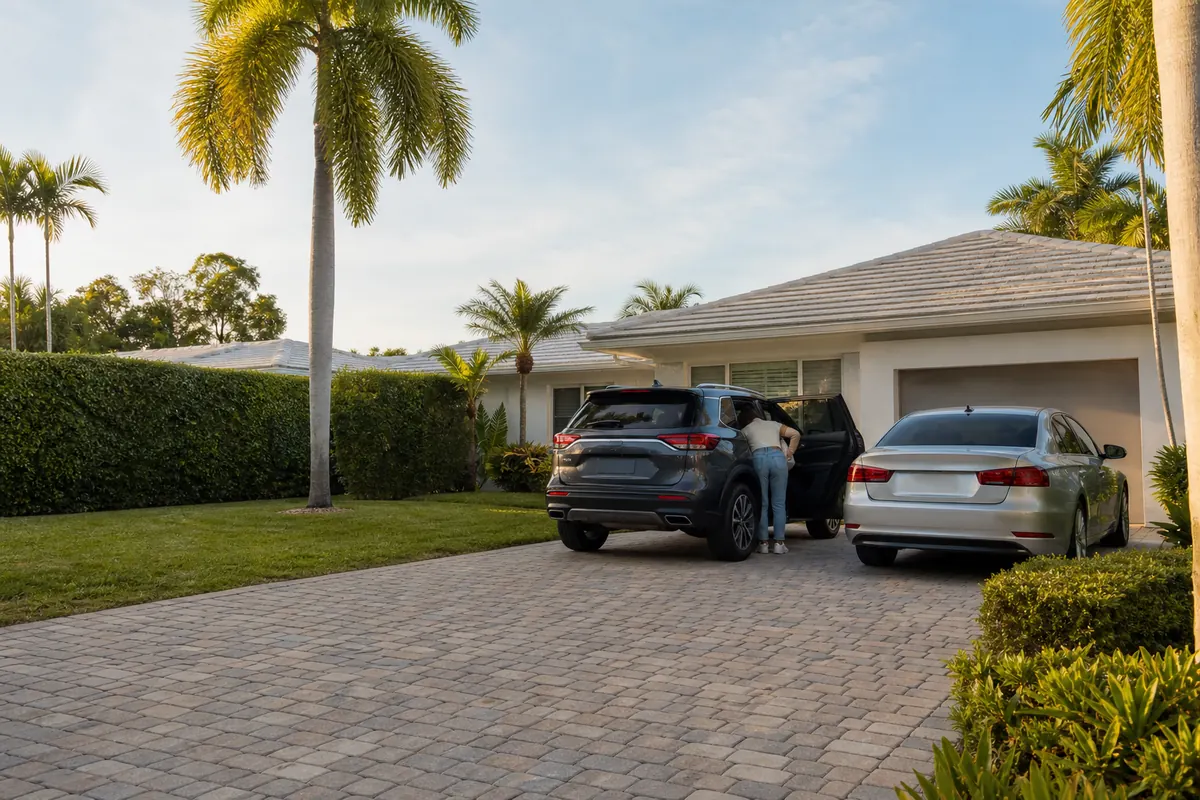
A drive in West Palm Beach can change fast. Morning traffic builds on I-95, Okeechobee Blvd and Southern Blvd. Seasonal backups show up near the bridges to Palm Beach, downtown by Clematis St and Rosemary Square, and around the Brightline station. Afternoon storms can turn a normal trip into a slow one in a hurry. That matters when you choose auto insurance. Your policy should fit how you actually use your car, where you park it, who drives it, and whether your week is mostly commuting, school drop offs, airport runs to PBIA, or short local trips.
We help people in West Palm Beach sort through auto insurance with those daily patterns in mind. Some households need a simple Florida policy to register a car and get back on the road. Others need to look at leased vehicles, teen drivers, several cars, part-year use, or rideshare and delivery work. We give you information and guidance, then a licensed agent follows up. Our job is to make the choices easier to compare, explain what may matter for your situation, and keep the discussion focused on real driving in Palm Beach County.
Auto Insurance Across Palm Beach County and Nearby
- West Palm Beach, FL
- Palm Beach, FL
- Lake Worth Beach, FL
- Palm Beach Gardens, FL
- Jupiter, FL
- Royal Palm Beach, FL
- Wellington, FL
- Greenacres, FL
- Riviera Beach, FL
- Lantana, FL
- Boynton Beach, FL
- Palm Springs, FL
- Lake Park, FL
- North Palm Beach, FL
- Juno Beach, FL
- Palm Beach Shores, FL
- Haverhill, FL
- Loxahatchee, FL
- The Acreage, FL
- Delray Beach, FL
- Atlantis, FL
What West Palm Beach Drivers Need
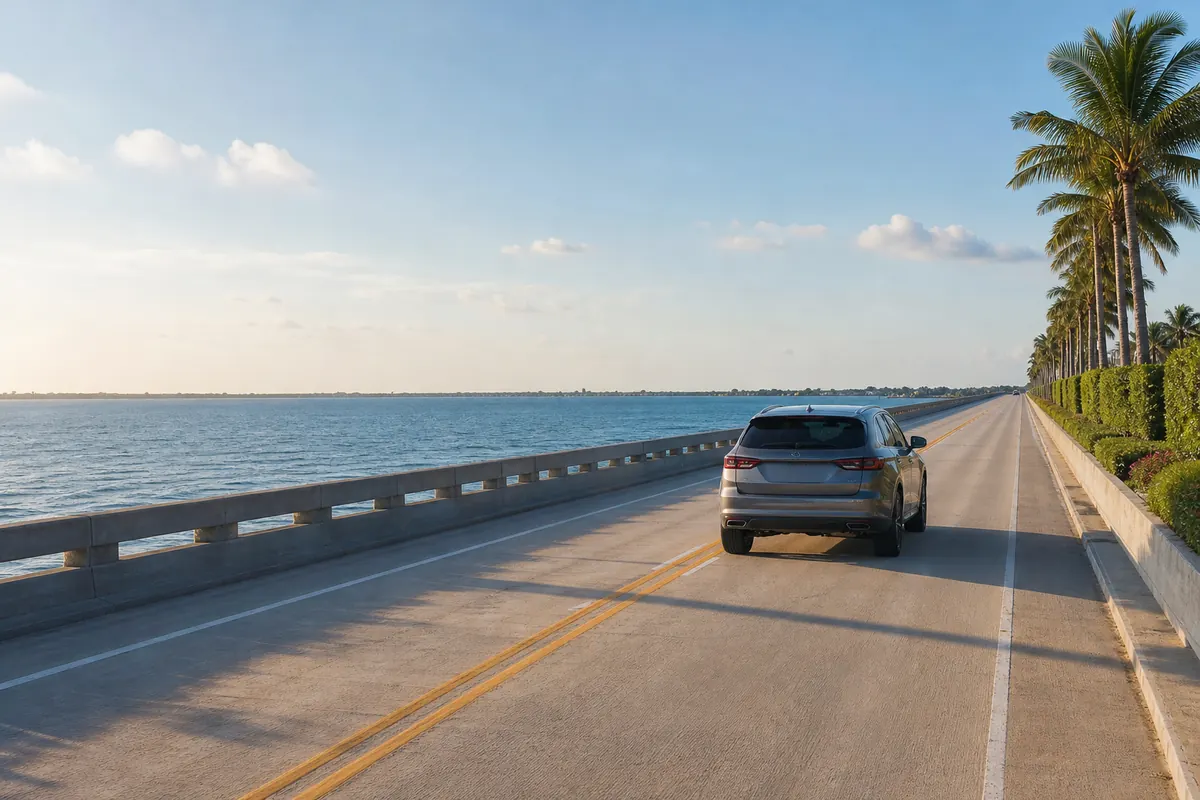
Local roads, weather and household routines shape what deserves attention first. We start with Florida basics, then move into the parts that often affect West Palm Beach drivers the most, from storm exposure to bridge traffic, family use and lender rules.
Florida registration basics
If you are registering a standard private passenger vehicle in Florida, the state generally requires personal injury protection and property damage liability. Florida is a no-fault state, so PIP is part of that starting point. Bodily injury liability is not required for most drivers, though it may be required after certain crashes or violations that trigger FR-44 or SR-22 filings. We can help you understand the practical difference between the legal minimum and broader protection.
Liability for busy local roads
Liability choices deserve a close look in West Palm Beach because daily driving often means merges, parking lots, bridge traffic and stop and go routes on roads like US 1, Belvedere Rd and Military Trail. The state minimum may satisfy registration, but it may leave a gap after a serious claim. Many drivers choose higher limits so one bad day does not put as much pressure on savings or future income.
Your own car after a crash
When people say full coverage, they usually mean a package built around liability plus collision and comprehensive. Collision may help with damage to your own car after a crash, whatever the fault. That can matter if you commute on I-95, move through crowded downtown parking, or have a newer car that would be expensive to repair or replace. Leased and financed vehicles often come with lender requirements for this kind of protection.
Storm, flood and theft concerns
West Palm Beach drivers also think about weather. Comprehensive may apply to non-crash losses such as storms, flooding, falling trees, theft and fire. With frequent afternoon storms and cars parked at home, at work, or near busy commercial areas, this part of a policy often gets attention even from people who do not drive long distances. Coverage details vary, so we help you compare deductibles and review what your policy may and may not address.
Households with several drivers
Many local households have more than one person using the car. Families may have a teen driver, an adult child at home, or a seasonal resident who comes and goes. A policy review should line up with who actually drives, how often each vehicle is used, and where each car is usually kept. Small details here can affect premium, claim handling and whether the policy fits your home life instead of a simplified application.
Work use, rideshare and delivery
If your car is used for rideshare, delivery or other business driving, say so early. Personal auto insurance may treat that use differently from ordinary commuting. A lot of West Palm Beach driving mixes errands, work trips and airport runs to PBIA, so it is easy to assume a personal policy covers every use the same way. Often it does not. We help you flag those situations before a gap shows up after a claim.
New Florida residents and part-year use
People moving to West Palm Beach, or splitting time between here and another state, usually have extra questions. The first one is often registration, then what to do with an existing policy. We can help you review Florida requirements, title and registration timing, and whether your current setup still makes sense once the car is kept and driven here. Part-year residents also benefit from checking mileage, storage, drivers and parking location.
Why Choose Us for Auto Insurance?
We Start Local
Every review begins with West Palm Beach driving. We talk about the roads you use, where the car sits, storm exposure, bridge traffic and whether downtown parking or long commutes are part of your week. That keeps the advice grounded in daily life.
We Keep It Clear
Insurance wording can get dense fast. We explain the parts that matter most without turning the page into a glossary. You get straightforward guidance about Florida requirements, common coverage choices and the tradeoffs that may affect your household.
We Match Real Use
A household with a teen driver needs a different conversation from a retired couple or a new resident registering a car in Florida. We shape the review around your drivers, vehicles and routine so the next step is useful, not generic.
How to Review Your Policy
Start with Driving
List who drives each vehicle, where the car is usually parked, and the roads it sees most. Include commuting, school runs, downtown parking, bridge trips, and any rideshare or delivery use.
Confirm Florida Basics
Make sure your current policy lines up with Florida registration rules for your vehicle. If you are a new resident, check what changed from your prior state before assuming an old policy still fits.
Check the Car
Look at whether the vehicle is owned, financed or leased. The age and value of the car, and the cost to repair it, often shape whether collision and comprehensive still make sense.
Review Household Changes
Add life changes that affect risk and price. Teen drivers, part-year residents, a changed commute, a new parking situation, or another driver in the home can all shift what a policy should cover.
Compare Before Deciding
Once the details are clear, compare options based on limits, deductibles and how the car is actually used. We help organize that review, and a licensed agent follows up with the next steps.
Check Florida Rules
For official Florida insurance and registration rules, start with the Florida Department of Highway Safety and Motor Vehicles. That is the source to verify current vehicle requirements and filing rules. If you want consumer guidance on insurance questions, the Florida Department of Financial Services consumer helpline is also worth checking. We can help explain how those rules often apply in everyday terms, but official state sources should be your reference for the final requirement details.
What a Policy May Cost
Costs in Florida run above the national average, and published 2026 studies show a wide spread. Full coverage commonly falls in a range of about $2,700 to $4,100 a year. Minimum coverage often falls around $1,000 to $1,700 a year. Published 2026 studies list these examples: Experian shows $2,730 for full coverage and $1,696 for minimum coverage, Bankrate shows $3,884 and $1,056, and NerdWallet shows $4,064 and $1,014. Those figures are useful for context, not a quote for your household.
| Source | Full coverage (per year) | Minimum coverage (per year) |
|---|---|---|
| Experian, 2026 | $2,730 | $1,696 |
| Bankrate, Feb 2026 | $3,884 | $1,056 |
| NerdWallet, Apr 2026 | $4,064 | $1,014 |
Typical range: about $2,700 to $4,100 a year for full coverage and $1,000 to $1,700 a year for minimum coverage. These are published statewide averages, not quotes.
Your premium may move up or down based on the driving record on the policy, the vehicle itself, where it is parked, the deductibles you choose, and the limits you carry. Mileage matters too, especially if one car stays local while another makes daily trips on I-95 or Florida's Turnpike. Household drivers can also change the picture, including teen drivers, part-year residents, and anyone who uses a vehicle for more than ordinary commuting. We look at those details before trying to compare options.
Auto Insurance Questions We Hear
What auto insurance do I need to register a car in Florida?
For a standard private passenger vehicle, Florida generally requires personal injury protection and property damage liability to register the car. Florida is a no-fault state, which is why PIP is part of the requirement. Some drivers also choose other coverage for broader protection. If you are moving to West Palm Beach, we can help you sort through what is required and what may be wise to add.
Do I need bodily injury liability in West Palm Beach?
Most Florida drivers are not required to carry bodily injury liability to register a car. Still, it may become required after certain crashes or violations, including situations tied to FR-44 or SR-22 filings. Even when it is optional, many people consider it because it may help with claims involving injuries you cause to others.
What does full coverage mean here?
In everyday use, full coverage is a shorthand term, not a separate policy form. People usually mean liability coverage plus collision and comprehensive. Collision may help with damage to your own car after a crash. Comprehensive may apply to non-crash losses such as theft, fire, storms, flooding or a fallen tree. The exact mix depends on the policy you choose.
Will my lender require more than Florida minimum coverage?
Often, yes. If your vehicle is leased or financed, the lender usually wants protection for the car itself, which commonly means collision and comprehensive. Florida minimum coverage is about registration, while lender requirements focus on the vehicle that secures the loan or lease. We can help you review what your agreement may call for before you make changes.
Should I mention rideshare or delivery driving?
Yes. If you use your car for rideshare, delivery or other business activity, bring that up at the start. Personal auto insurance may treat that use differently from ordinary commuting and errands. In a place like West Palm Beach, where one car may handle work trips, airport runs and family driving, that distinction matters more than many people expect.
Contact Us Today for a Free Estimate
Ready to review auto insurance for your West Palm Beach vehicle or property? Tell us what you have and we will follow up.
Free, no obligation